Technology Domains
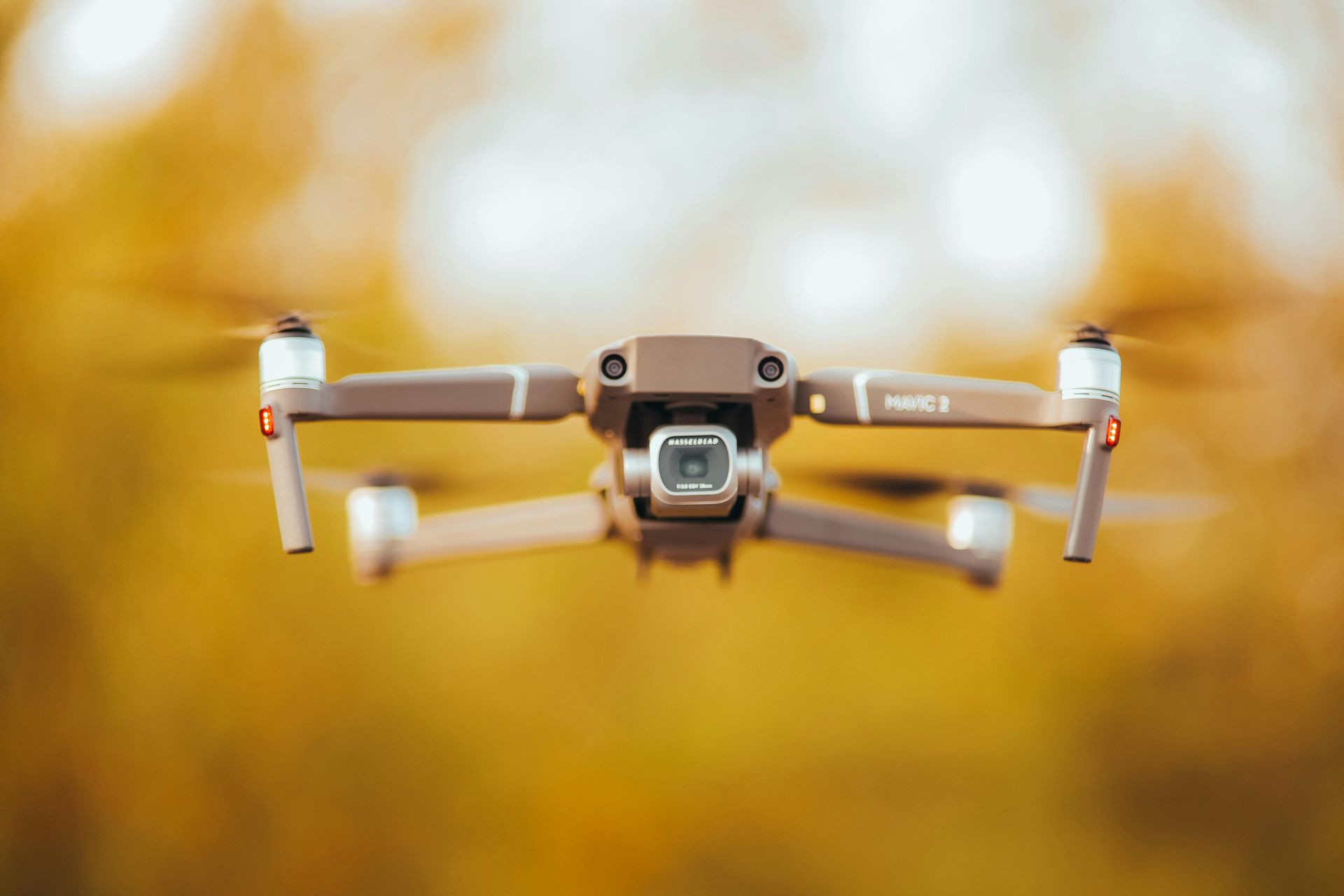
SENSORS
Military sensors are devices used to gather data for military and defense purposes, including a wide range of applications from individual combat equipment to large-scale surveillance systems. They come in various forms, such as radar, infrared, and electro-optical sensors, and are designed to be rugged, lightweight, and powerful. The military relies on these sensors for critical functions like situational awareness, target acquisition, navigation, and battlefield command, which drives their integration into everything from aircraft and ships to soldier-worn systems.
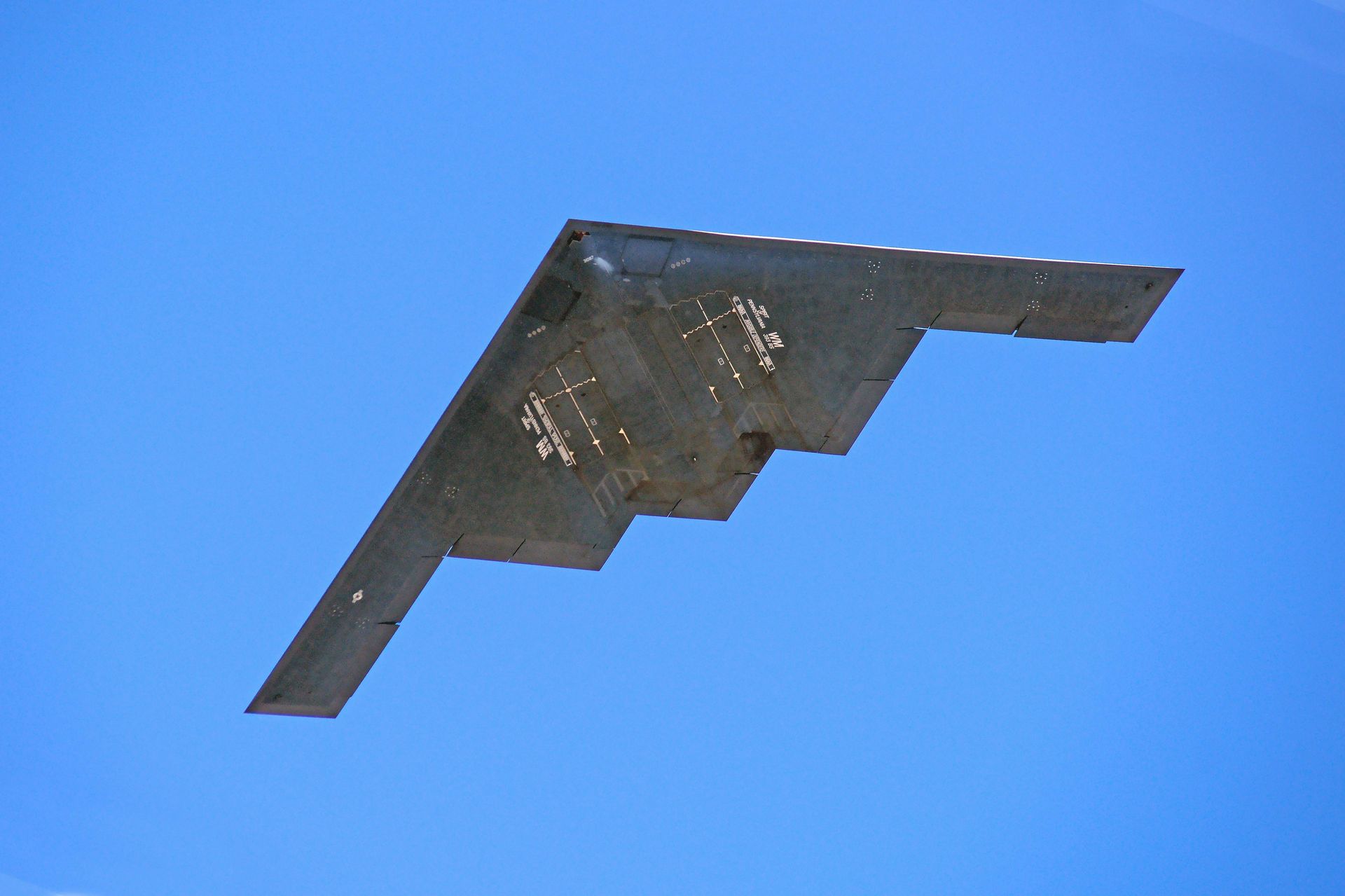
ACQUISITION
Military system acquisition is the complex process of acquiring goods and services for national defense needs, involving a lifecycle from design and development to disposal. Key components include the joint capabilities integration and development system (JCIDS), the planning, programming, budgeting, and execution (PPBE) process, and the DoD 5000 series policy documents. Recent reforms aim to speed up delivery, increase production, and emphasize innovation, often using iterative development to bring modern, high-risk systems to market faster.

ELECTRONIC WARFARE
Electronic warfare (EW) is the use of the electromagnetic spectrum to gain an advantage in military conflict by attacking enemy systems, defending against enemy electronic attacks, and collecting intelligence. EW involves activities like jamming enemy communications and radar, deceiving enemy systems, and using signals intelligence (SIGINT) to intercept and analyze enemy transmissions. It is a crucial part of modern warfare that is often invisible and can be used offensively, defensively, or supportively.
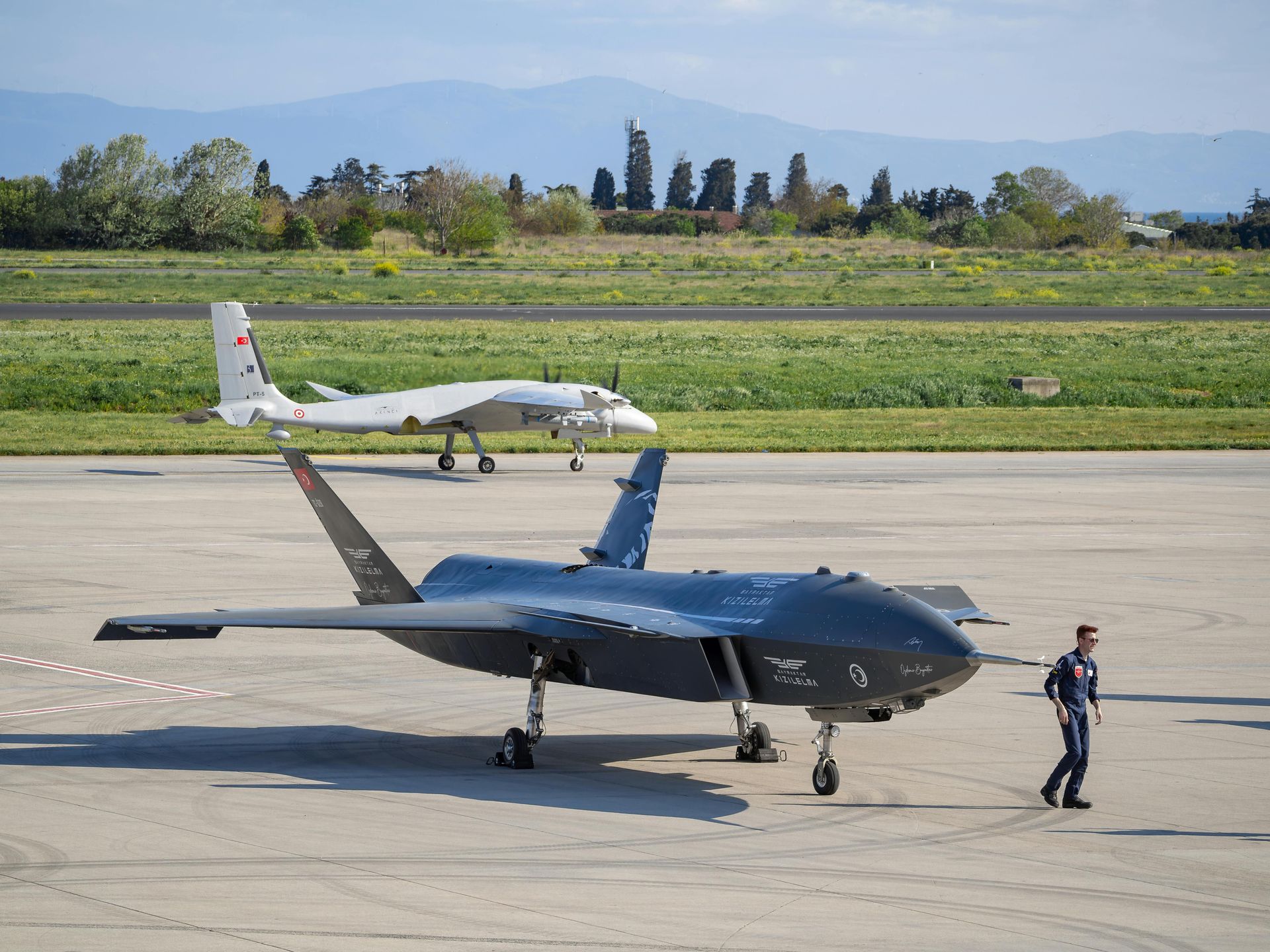
INTELLIGENCE, SURVEILLANCE, AND RECONNAISSANCE
Intelligence, surveillance, and reconnaissance (ISR) is the coordinated process of gathering, analyzing, and using information to support military operations and decision-making. It combines three distinct functions: Intelligence is the analyzed information; Surveillance is the continuous monitoring of an area; and Reconnaissance is the targeted gathering of specific information. ISR uses various platforms like satellites, aircraft, and cyber systems to provide situational awareness and a strategic advantage.
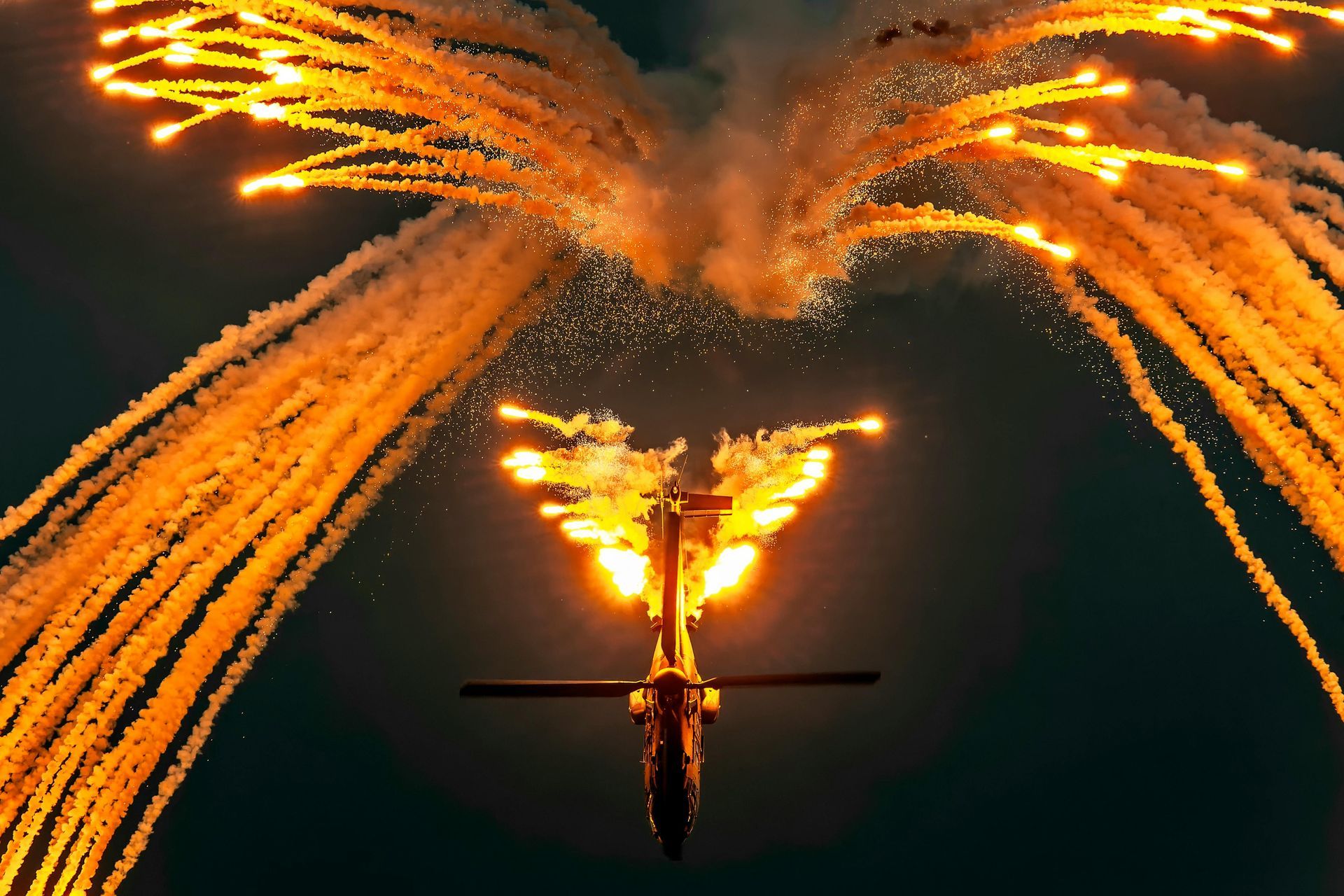
AIRCRAFT SURVIVABILITY EQUIPMENT
Aircraft survivability equipment (ASE) includes a range of systems and electronic countermeasures designed to protect aircraft from threats like missiles, lasers, and radar by detecting, warning, and mitigating those threats. Key components include missile warning systems, radar warning receivers, and infrared countermeasures (IRCM). The goal of ASE is to increase the likelihood of an aircraft and its crew surviving hostile environments and to allow them to concentrate on their mission.
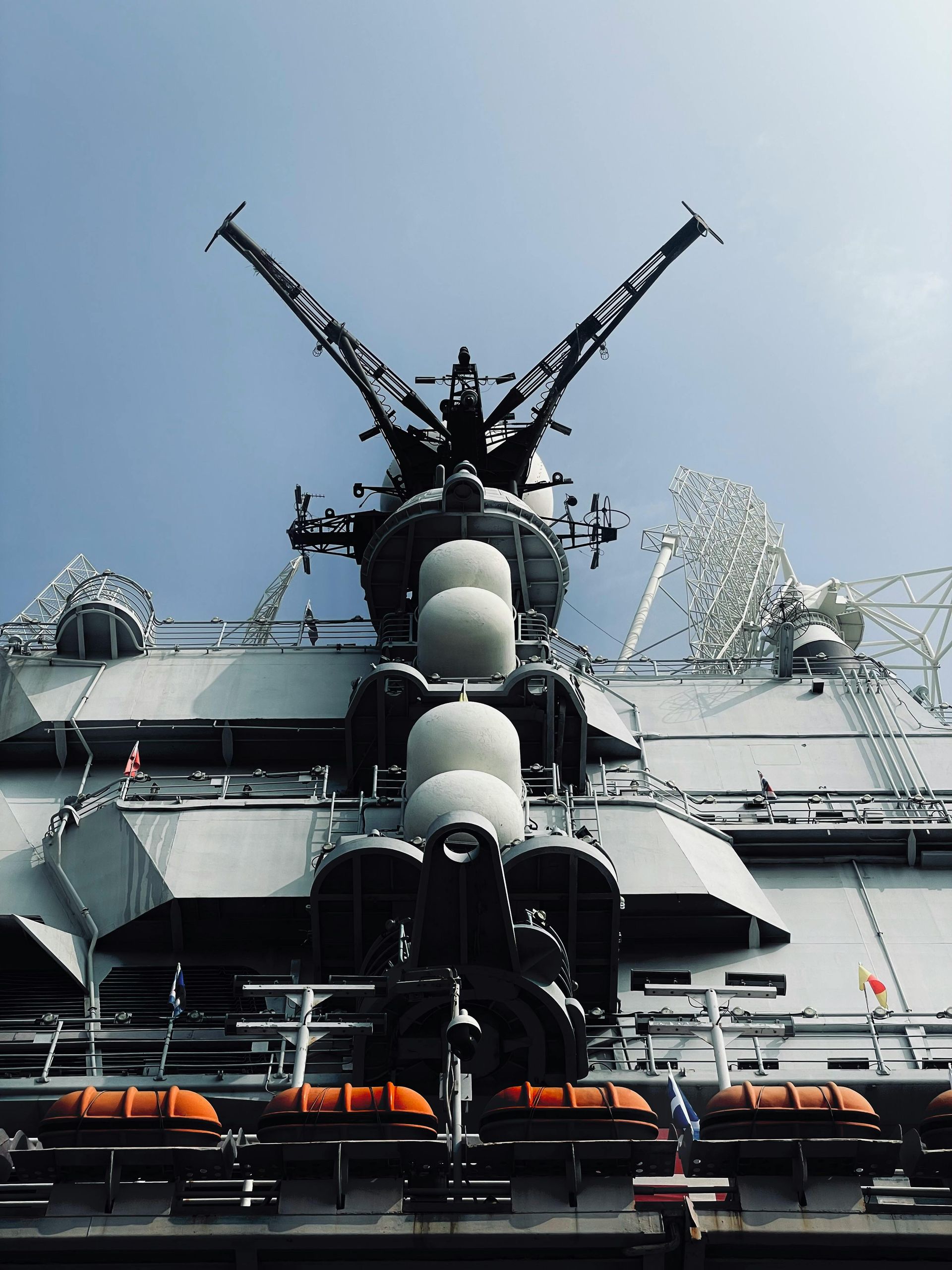
RADAR
In a military context, radar (radio detection and ranging) is a system that uses radio waves to detect and track objects like aircraft, missiles, and ships, providing crucial situational awareness and enabling offensive and defensive operations. It is used for air defense, missile guidance, surveillance, and navigation, and is designed to operate in challenging conditions, including electronic warfare and bad weather.